Zur Produktinfo springen
1 of 1

GN Labaratories

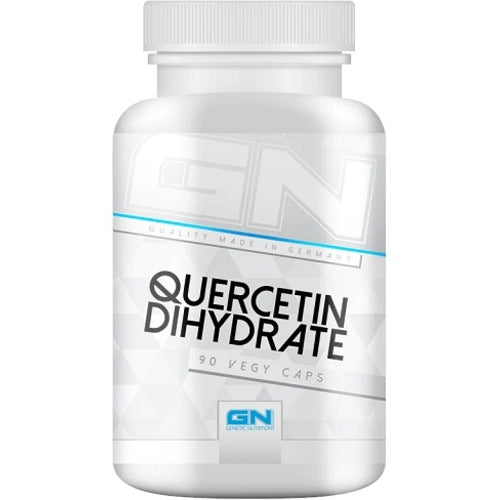
GN Quercetin Dihydrate 90 Capsules

Regulärer Preis
$58.90 USD
Regulärer Preis
Angebotspreis
$58.90 USD
Inkl. MwSt. Shipping wird beim Checkout berechnet.

Weitere Ausführungen:

Highlights
Quercetin Dihydrate GN Laboratories is a high-quality dietary supplement known for its antioxidant properties. Supports the immune system Acts as a powerful antioxidant Promotes overall health and well-being Helps fight inflammation Optimal bioavailability due to dihydrate formulation Suitable for vegetarians and vegans
Recommended intake

The recommended serving size and daily intake for GN Quercetin Dihydrate 90 capsules is 1 capsule per day. Please also refer to the information on the packaging, as the manufacturer may occasionally change the composition!

Warning notices

The recommended daily intake must not be exceeded.

Food supplements should not be used as a substitute for a balanced and varied diet and a healthy lifestyle.

Keep out of reach of small children. Store in a cool, dry place away from light.

We are happy to answer any further questions about ingredients or product-related inquiries in our chat.

Nutritional information
Nährwerte Je 100g/ml
Brennwert n/a
Fett 0g
Kohlenhydrate 0 g
— davon Zucker —
Eiweiß 0 g
Salz 0 g
Manufacturer's specifications

Gigas Nutrition BV, Postbus 111, 5900AC, Venlo Netherlands, info@gnlaboratories.com

    Gn Quercetin Dihydrate 90 Capsules
    Gn Quercetin Dihydrate 90 Capsules

    GN Quercetin Dihydrate 90 Capsules in detail

    Questions about GN Quercetin Dihydrate 90 Capsules

    What health benefits does taking GN Quercetin Dihydrate capsules offer for the immune system and managing allergies?

    GN Quercetin Dihydrate capsules can offer various health benefits for the immune system and allergy management. Quercetin is a flavonoid, a plant pigment found in many fruits, vegetables, and plants, and is known for its antioxidant, anti-inflammatory, and immunomodulatory properties.
    Benefits for the immune system:
    * Antioxidant effect: Quercetin possesses strong antioxidant properties that can support the body during times of biological stress, such as when the immune system is activated. It helps protect cells from damage caused by free radicals.
    * Anti-inflammatory effect: Quercetin can reduce inflammation by inhibiting the production and release of pro-inflammatory messengers. This is particularly relevant because inflammation is often accompanied by immune system activation.
    * Support during viral infections: While quercetin has a moderate direct effect against viral infections, it can also act as an ionophore and promote the transport of free zinc into cells. Zinc in its ionic state can inhibit the replication of many viruses. Studies suggest that quercetin can strengthen respiratory immunity and enhance the antiviral effects of zinc. It may also reduce the severity of symptoms and the number of sick days in upper respiratory tract infections.
    * Synergy with Vitamin C: In test-tube studies, vitamin C and quercetin showed synergistic effects that enhance the immune-boosting and antiviral effects of both substances. Vitamin C can also regenerate active quercetin in the body.
    Benefits in managing allergies:
    * Natural histamine inhibitor: Quercetin acts as a natural histamine inhibitor. It stabilizes mast cells and basophils, which play a key role in regulating allergic reactions. This reduces the release of histamine, a major cause of allergic symptoms such as sneezing, itching, and mucosal swelling.
    * Regulation of immune cells: Quercetin can influence the balance between Th1 and Th2 cells, which are key players in the immune system. In allergy sufferers, this balance is often shifted in favor of the Th2 response, which promotes overreactions. Quercetin can help correct this imbalance.
    * Inhibition of inflammatory mediators: It inhibits pro-inflammatory cytokines, which are released in increased amounts during allergic inflammation.
    * Reduction of IgE production: Quercetin can inhibit the formation of IgE antibodies, which play a key role in allergic reactions.
    * Relief of allergy symptoms: Studies and user reports suggest that quercetin, especially in highly bioavailable forms, can reduce hay fever symptoms and other allergic symptoms.
    About GN Quercetin Dihydrate 90 Capsules:
    GN Quercetin Dihydrate capsules typically contain quercetin dihydrate, often derived from the extract of the Japanese pagoda tree (Sophora japonica), with a standardized content of 95% or 98% quercetin dihydrate. The capsule shells are often made of hydroxypropyl methylcellulose (vegan). The recommended daily dose is often 1-2 capsules. Care is taken to ensure that the products are free of allergens such as gluten and lactose, as well as unnecessary additives.
    It is important to note that quercetin is a dietary supplement and does not replace standard therapy. In cases of allergies, a noticeable effect may often occur after 2-4 weeks. When combining quercetin with other medications, especially antihistamines, potential interactions should be discussed with a doctor or pharmacist. There are currently insufficient studies available for pregnant and breastfeeding women; therefore, use during these periods is not recommended.

    How can taking GN Quercetin Dihydrate support cardiovascular health and what effect does the supplement have on blood pressure regulation?

    Quercetin is a secondary plant compound from the flavonoid group, known for its antioxidant and anti-inflammatory properties. Taking GN Quercetin Dihydrate can support cardiovascular health on several levels:
    Through its antioxidant effect, quercetin helps reduce the oxidation of LDL cholesterol. Oxidized LDL is considered a major factor in the development of atherosclerosis (hardening of the arteries) because it promotes deposits in the vessel walls. By neutralizing free radicals, quercetin protects the endothelium—the innermost layer of blood vessels—from oxidative stress, thus helping to maintain vascular elasticity.
    Regarding blood pressure regulation, scientific studies show that quercetin can have a blood pressure-lowering effect, particularly in individuals with already elevated blood pressure. This effect is primarily based on two mechanisms:
    1. Promotion of nitric oxide production: Quercetin supports the release of nitric oxide (NO) in the vessel walls. NO has a vasodilatory effect, which reduces resistance in the blood vessels and can lower blood pressure.
    2. Inhibition of the angiotensin-converting enzyme (ACE): There is evidence that quercetin may act similarly to natural ACE inhibitors by influencing enzymes responsible for the constriction of blood vessels.
    In addition, quercetin counteracts systemic inflammation by inhibiting the release of pro-inflammatory cytokines. Since chronic inflammatory processes pose a high risk for cardiovascular disease, this anti-inflammatory component contributes to overall heart health.
    GN Quercetin Dihydrate provides a dosage of 500 mg per capsule, a level frequently associated with significant effects on systolic and diastolic blood pressure in clinical studies. The dihydrate form is also valued for its stability and good bioavailability in the body.

    To what extent does the bioavailability of the dihydrate form affect the effectiveness of the supplement, and are there specific recommendations for intake to optimize the absorption of GN quercetin in the body?

    The bioavailability of the dihydrate form plays a crucial role in the efficacy of GN quercetin, as quercetin, being a flavonoid, naturally exhibits relatively low solubility and absorption rates in the human digestive tract. The dihydrate form is the most extensively studied and is characterized by high stability, guaranteeing consistent quality of the active ingredient. Since the supplement's efficacy depends directly on how much of the active substance crosses the intestinal barrier and becomes available for metabolism, optimizing absorption is essential to achieve the desired antioxidant or anti-inflammatory effects. To significantly improve the body's absorption of GN quercetin, it should ideally be taken with a meal containing healthy fats, as quercetin is fat-soluble and lipids considerably facilitate its passage through the intestinal wall. Additionally, the simultaneous intake of vitamin C or enzymes such as bromelain can increase the stability of the quercetin and promote its absorption. Another recommendation for optimization is to divide the daily dose into several administrations, as this leads to more stable blood concentrations than a single high dose, which the body often absorbs less efficiently. These targeted measures make the best possible use of the otherwise limited bioavailability of the dihydrate form, allowing the body to benefit maximally from the product's properties.

    Is there any scientific evidence regarding the extent to which GN Quercetin Dihydrate acts as a natural antihistamine and can help alleviate allergy symptoms and regulate histamine release?

    Yes, there is ample scientific evidence that quercetin acts as a natural antihistamine. Studies show that quercetin stabilizes mast cells, thereby inhibiting the release of histamine and other inflammatory mediators such as leukotrienes and prostaglandins. This can alleviate allergy symptoms like itching, sneezing, and swelling. Furthermore, it regulates the immune response by improving the balance of Th1/Th2 cells and reducing the production of IgE antibodies. Clinical studies also demonstrate significant improvements in seasonal allergies such as hay fever.

    Fast shipping from Bielefeld
    14-day right of withdrawal
    10% off your first order with the code: FIRST10