Zur Produktinfo springen
1 of 2

GN Labaratories

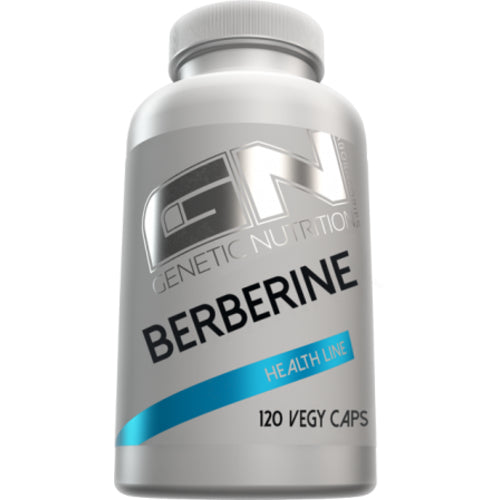
GN Berberine Health Line 120 Capsules

Regulärer Preis
$60.90 USD
Regulärer Preis
Angebotspreis
$60.90 USD
Inkl. MwSt. Shipping wird beim Checkout berechnet.

Weitere Ausführungen:

Highlights

The GN Berberine Health Line offers high-quality support for your metabolism and overall well-being.

  • High-dose berberine hydrochloride for optimal effectiveness
  • Supports healthy glucose metabolism and insulin levels
  • Promotes the maintenance of healthy cholesterol and lipid levels
  • Convenient supply with 120 capsules per container
  • Supports weight management and energy metabolism
  • Quality product from GN Laboratories for the highest purity standards
Recommended intake

The recommended serving size and daily intake for GN Berberine Health Line 120 capsules is 1 capsule daily. Please also refer to the information on the packaging, as the manufacturer may occasionally change the composition!

Warning notices

The recommended daily intake must not be exceeded.

Food supplements should not be used as a substitute for a balanced and varied diet and a healthy lifestyle.

Keep out of reach of small children. Store in a cool, dry place away from light.

We are happy to answer any further questions about ingredients or product-related inquiries in our chat.

Nutritional information
Nährwerte Je 100g/ml
Brennwert n/a
Fett 0.1 g
Kohlenhydrate n/a
— davon Zucker —
Eiweiß n/a
Salz n/a
Manufacturer's specifications

Gigas Nutrition BV, Postbus 111, 5900AC, Venlo Netherlands, info@gnlaboratories.com

    GN Berberine Health Line 120 Capsules
    activlab-bcaa-xtra-drink-5000mg-24x330ml-orange
    GN Berberine Health Line 120 Capsules

    GN Berberine Health Line 120 Capsules in detail

    Questions about GN Berberine Health Line 120 Capsules

    What health benefits does taking GN Berberine Health Line offer, and what should be considered regarding dosage and possible interactions?

    Berberine is a natural substance derived from various plants and has long been used in traditional medicine. It is being studied for its potential positive effects on metabolism, blood sugar levels, and cardiovascular health.
    Health benefits of taking berberine (e.g., GN Berberine Health Line):
    * Blood sugar control: Berberine can improve insulin sensitivity and lower blood sugar levels, which can be particularly beneficial for people with type 2 diabetes. It can increase glucose uptake into cells, promote insulin production, and reduce sugar production in the liver. Some studies suggest that berberine may have effects similar to metformin.
    * Cardiovascular health: Berberine can have a positive effect on the cardiovascular system by lowering total cholesterol, LDL cholesterol, and triglyceride levels, and raising HDL cholesterol levels. It may also help regulate blood pressure.
    * * Gut health: Berberine possesses antimicrobial and anti-inflammatory properties. It can influence the gut flora, suppress harmful bacteria, and promote the growth of beneficial gut bacteria.
    * Weight management: Some studies suggest that berberine may aid in weight loss by reducing body mass index (BMI) and inhibiting fat cell formation. However, the results are mixed, and further high-quality studies are needed.
    * Antimicrobial and anti-inflammatory effects: Berberine exhibits activity against various pathogens such as bacteria, viruses, and fungi and may reduce inflammation in the body.
    Dosage and potential interactions:
    According to the manufacturer, GN Berberine Health Line 120 capsules contain 150 mg of berberine hydrochloride per capsule. Other products may contain 300 mg of pure active ingredient per capsule.
    * Dosage: There is currently no generally established standard dosage for berberine supplements. Most studies, however, used doses of 1000–1500 mg per day, divided into two or three 500 mg doses taken before or with meals. It is recommended to start with a lower dose and gradually increase it to assess tolerability. Taking it with meals may improve absorption and minimize gastrointestinal side effects.
    * Possible side effects: Berberine is generally safe for most people, but it can cause side effects in some individuals. Common side effects include gastrointestinal discomfort such as nausea, diarrhea, constipation, flatulence, and abdominal cramps. Less frequently, headaches or mild dizziness may occur. An excessively high dose may exacerbate these digestive issues.
    * Drug interactions: Berberine can interact significantly with various medications, either increasing or decreasing their effects. Special caution is advised with:
    * Antidiabetic drugs: Berberine can enhance the blood sugar-lowering effect and increase the risk of hypoglycemia (low blood sugar).
    * Antihypertensive drugs (blood pressure lowering medications): Berberine can enhance the blood pressure-lowering effect and lead to hypotension (low blood pressure).
    * Anticoagulants (blood thinners such as warfarin): Berberine can increase the risk of bleeding.
    * CYP3A substrates: Berberine inhibits CYP3A enzymes, which can increase the concentration of drugs metabolized via this pathway. This also applies to some cholesterol-lowering drugs and immunosuppressants (e.g., cyclosporine).
    * Antibiotics: Berberine can alter the gut flora and thus impair the effectiveness of antibiotics.
    * CBD: In combination with CBD, cardiac arrhythmias may occur.
    * Other dietary supplements: When taken with garlic, ginger, ginkgo, nattokinase, and Panax ginseng, it may reduce blood clotting.
    Important information:
    * Berberine is not recommended for long-term use without medical supervision. Cyclical use (e.g., 8 weeks of use followed by a break) is common practice.
    * Pregnant and breastfeeding women should avoid berberine, as it can cross the placental barrier and affect newborns.
    * Individuals with pre-existing medical conditions or who regularly take medication should consult a doctor before taking berberine.
    * In the EU, berberine itself may not be sold as a food supplement, and its safety is currently under review. The EFSA has identified safety concerns and a lack of data, so a safe daily intake cannot be established. In Switzerland, berberine is permitted in food supplements.

    Which specific groups of people should avoid taking GN Berberine Health Line and what possible gastrointestinal side effects can occur?

    The following groups of people should not take GN Berberine Health Line:

    - Pregnant women (because berberine can trigger uterine contractions and cross the placental barrier).

    - Breastfeeding women (because the active ingredient can be passed to the infant through breast milk).

    - Children and adolescents under 18 years of age.

    - People with severe liver or kidney dysfunction.

    - People taking medications to lower blood sugar (such as insulin or metformin) without first consulting a doctor (risk of hypoglycemia).

    - People taking medications that are metabolized by the cytochrome P450 enzyme (e.g., cyclosporine), as berberine can inhibit their metabolism and dangerously increase their concentration in the blood.

    - People taking blood-thinning medications (due to potential interactions).
    ...``` Possible gastrointestinal side effects include:

    - Bloating
    - Diarrhea
    - Constipation
    - Abdominal pain or stomach cramps
    - Nausea

    Can GN Berberine Health Line support weight loss, and through which cellular mechanism is metabolism influenced?

    GN Berberine Health Line can effectively support weight loss because the active ingredient berberine directly influences the regulation of energy metabolism. The crucial cellular mechanism is based on the activation of the enzyme adenosine monophosphate-activated protein kinase, or AMPK for short, often referred to as the body's metabolic master switch. AMPK activation signals to the body that cellular energy is low, which boosts the burning of fatty acids for energy while simultaneously inhibiting the synthesis of new fats in the liver. This process also improves the insulin sensitivity of cells, leading to more stable blood sugar regulation and reducing the storage of carbohydrates as body fat. This combination of increased fat oxidation, optimized glucose utilization, and the suppression of new fat formation shifts the metabolism at the cellular level into a state that promotes weight loss.

    What should be the optimal dosage and timing of taking GN Berberine Health Line to ensure a consistent effect in the body?

    According to studies, the optimal dosage of berberine is usually between 1,000 and 1,500 mg per day. To ensure a consistent effect in the body and minimize side effects, the intake should be divided into two to three individual doses of 500 mg each. Since berberine has a short half-life, it is recommended to take it shortly before or with meals (approximately 15 to 30 minutes beforehand) to optimally support blood sugar levels and metabolism. It is advisable to start with a lower dose and increase it gradually.

    Fast shipping from Bielefeld
    14-day right of withdrawal
    10% off your first order with the code: FIRST10