
Zur Produktinfo springen
1 of 2

Ulfberth

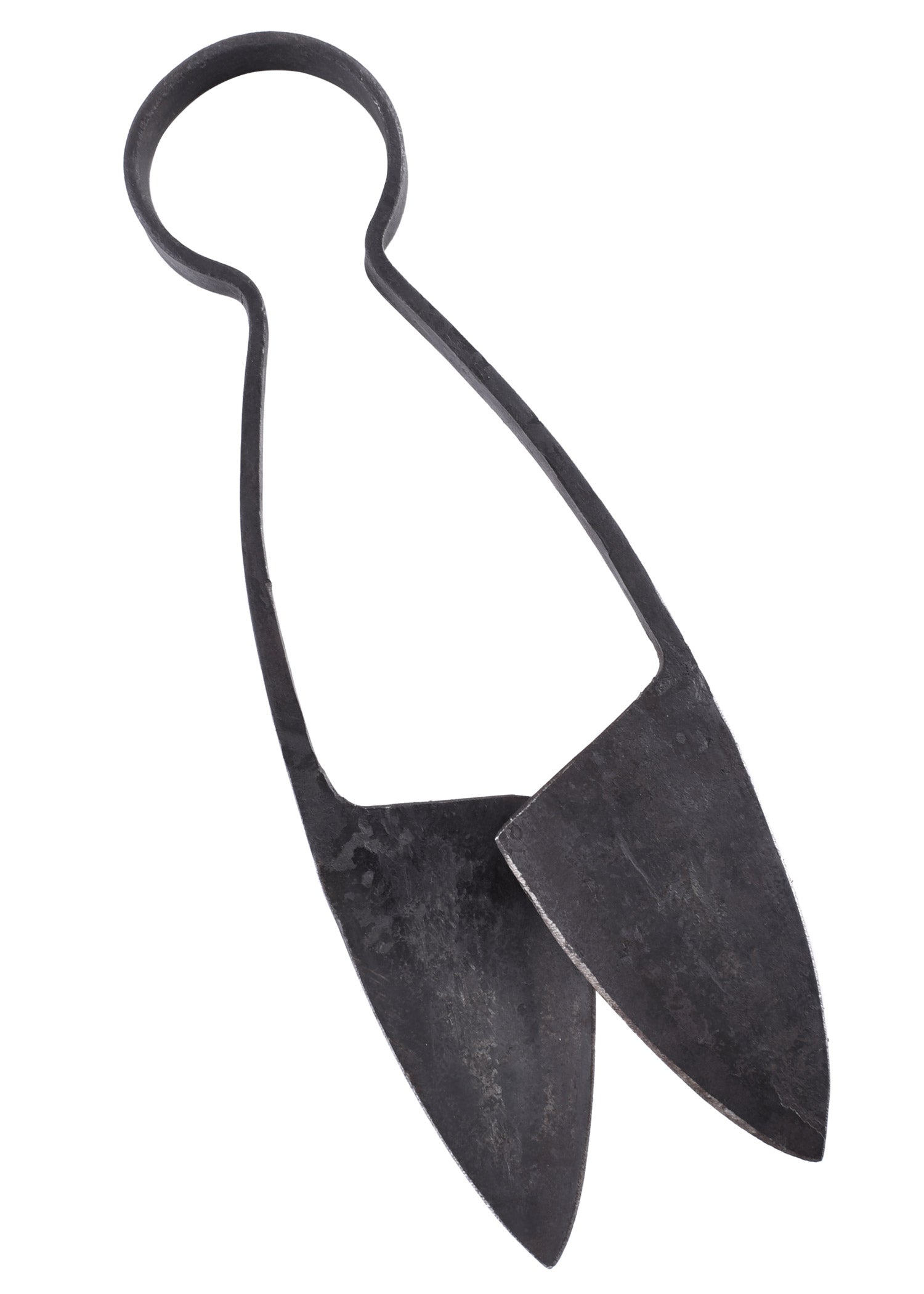
Medieval hand-forged bow scissors with leather case

Regulärer Preis
$58.98 USD
Regulärer Preis
Angebotspreis
$58.98 USD
Inkl. MwSt. Shipping wird beim Checkout berechnet.
American Express
Apple Pay
Google Pay
Maestro
Mastercard
PayPal
Shop Pay
Union Pay
Visa
Klarna
SOFORT
Highlights

Delivery time

1 - 2 working days

Guarantee

Ulfberth.dk, Kærdammen 27, 2605, Brøndby, Ulfberth.dk@gmail.com

    Medieval hand-forged bow scissors with leather case
    Medieval hand-forged bow scissors with leather case

    Product Details

    Display

    The Medieval hand-forged bow scissors with leather case of Ulfberth uses a display from .

    Housing

    The Medieval hand-forged bow scissors with leather case has a housing made of , which has a diameter of .

    Weight

    The weight of Medieval hand-forged bow scissors with leather case is approximately grams.

    Factory

    A clockwork mechanism is used.

    Closure type

    Medieval hand-forged bow scissors with leather case from Ulfberth

    #ImwithBeYours

    Questions about Medieval hand-forged bow scissors with leather case of Ulfberth

    Wird geladen...

    The hand-forged medieval bow scissors were suitable for a variety of everyday tasks such as weaving and sewing, trimming herbs, working with leather, or cutting fabrics. For an authentic presentation, they are ideally worn in a leather sheath directly on the belt, a practice historically documented by grave finds (especially from the Viking Age).

    What materials can be cut with the hand-forged bow shears, and what maintenance measures are required to protect the non-stainless spring steel from corrosion?

    These hand-forged bow shears made of spring steel can cut various materials such as threads, fine fabrics, paper, cardboard, or herbs. Since the steel used is not stainless, the shears should be cleaned after each use, stored dry, and regularly treated with a lubricating oil, such as cooking oil, to protect them from corrosion.

    Wird geladen...

    The historical models for these bow-shaped scissors date back to antiquity, the Viking Age, and the Middle Ages, with specific finds such as those from Birka (Sweden) serving as references. In Viking reenactment, this tool is of great importance, as it was an indispensable part of women's attire; the scissors were often worn attached to the shoulder brooches by a chain or cord and served as a practical everyday tool for weaving, sewing, and herbal work.